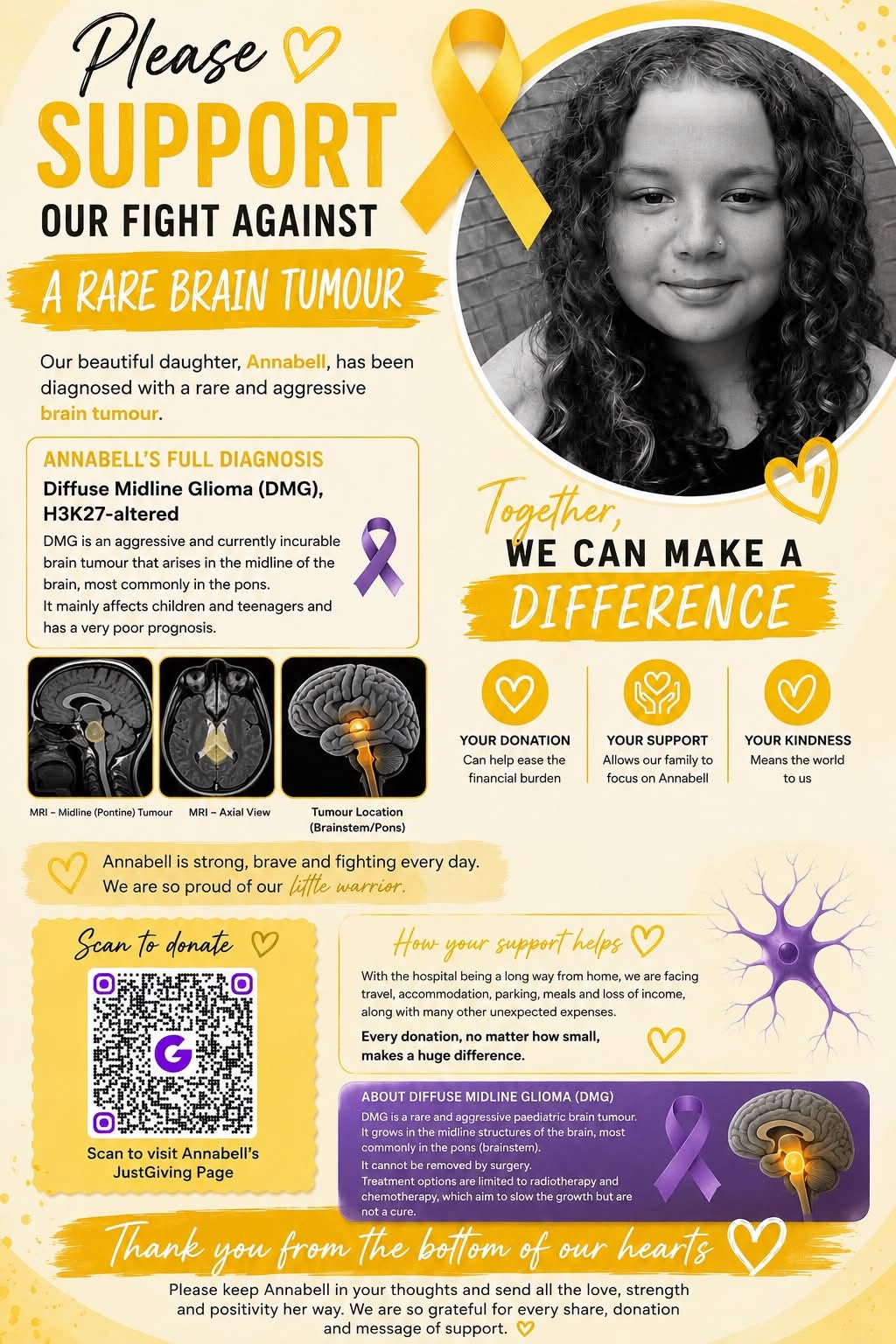
-
Symptoms began
In the weeks before diagnosis, Annabell had headaches, episodes of vomiting, tiredness and problems with her vision, including her right eye turning inward and double vision.
-
26 June 2026
Emergency admission to Kettering General Hospital
Annabell was taken to Kettering General Hospital as her symptoms had become concerning enough to need investigating. Imaging found a large tumour deep within her brain, in the midline/thalamic region, along with hydrocephalus, a build-up of fluid and pressure in the brain.
-
27 June 2026
Transfer to Oxford
Annabell was transferred to Oxford for specialist care.
-
29 June 2026
Brain biopsy and VP shunt surgery
Annabell underwent major neurosurgery: a stereotactic biopsy of the tumour and insertion of a VP shunt to relieve the build-up of fluid and pressure in her brain. The operation took several hours, and she was cared for in PICU afterwards under close monitoring.
-
30 June 2026
A difficult night in PICU
While recovering in PICU, Annabell pulled out an arterial line and an IV cannula. Her dad stayed close by and called the nurse for help.
-
1 July 2026
Signs of Annabell coming back
Annabell responded to her parents' voices, moved her legs and began showing more awareness. She moved from PICU to Robins Ward, the children's neurology ward. It was a difficult night, and her mum and dad stayed close to help her feel settled.
-
2 July 2026
Diagnosis
Annabell's family met with the neurosurgical and oncology teams. The biopsy showed a Diffuse Midline Glioma (DMG) with an H3K27M molecular alteration, in a part of the brain that could not be safely operated on. In the days that followed, Annabell began smiling, sitting up, standing, walking, eating and drinking again, and she started to sing.
-
3 July 2026
Getting stronger for treatment
Annabell's neurological condition continued to improve, and radiotherapy became possible to plan. The proposed treatment was around six weeks of radiotherapy, Monday to Friday, in London. Because Annabell needed to stay completely still during radiotherapy, general anaesthetic became part of the planning.
-
Shunt infection
Annabell's VP shunt was found to be infected. She needed further neurosurgery to remove the internal shunt and have an external ventricular drain (EVD) fitted, along with a course of IV antibiotics and repeated tests.
-
Recovery from the infection
The antibiotics worked and her infection markers came down. Tests showed no bacterial growth, and Annabell moved back to Robins Ward. Occupational therapy and speech and language therapy helped her regain mobility, communication, eating and drinking, and she began walking and talking again.
-
Chemotherapy added to the plan
Alongside planning for radiotherapy at University College London Hospitals (UCLH), chemotherapy with temozolomide, given as tablets, was added to Annabell's treatment plan.
-
12 August 2026
Treatment begins at UCLH
Annabell had her first dose of temozolomide and her first radiotherapy session at UCLH. She was nervous beforehand and was reassured she would be asleep and would not see or feel the treatment. Afterwards she was keen to get up and walk, ate and drank, and later slept.
-
13 August 2026
Day two of radiotherapy
Annabell reached day two of her radiotherapy course, which runs from 12 August to 22 September 2026. She was started on dexamethasone, a steroid commonly used during brain radiotherapy to help manage inflammation.
-
Support from the community
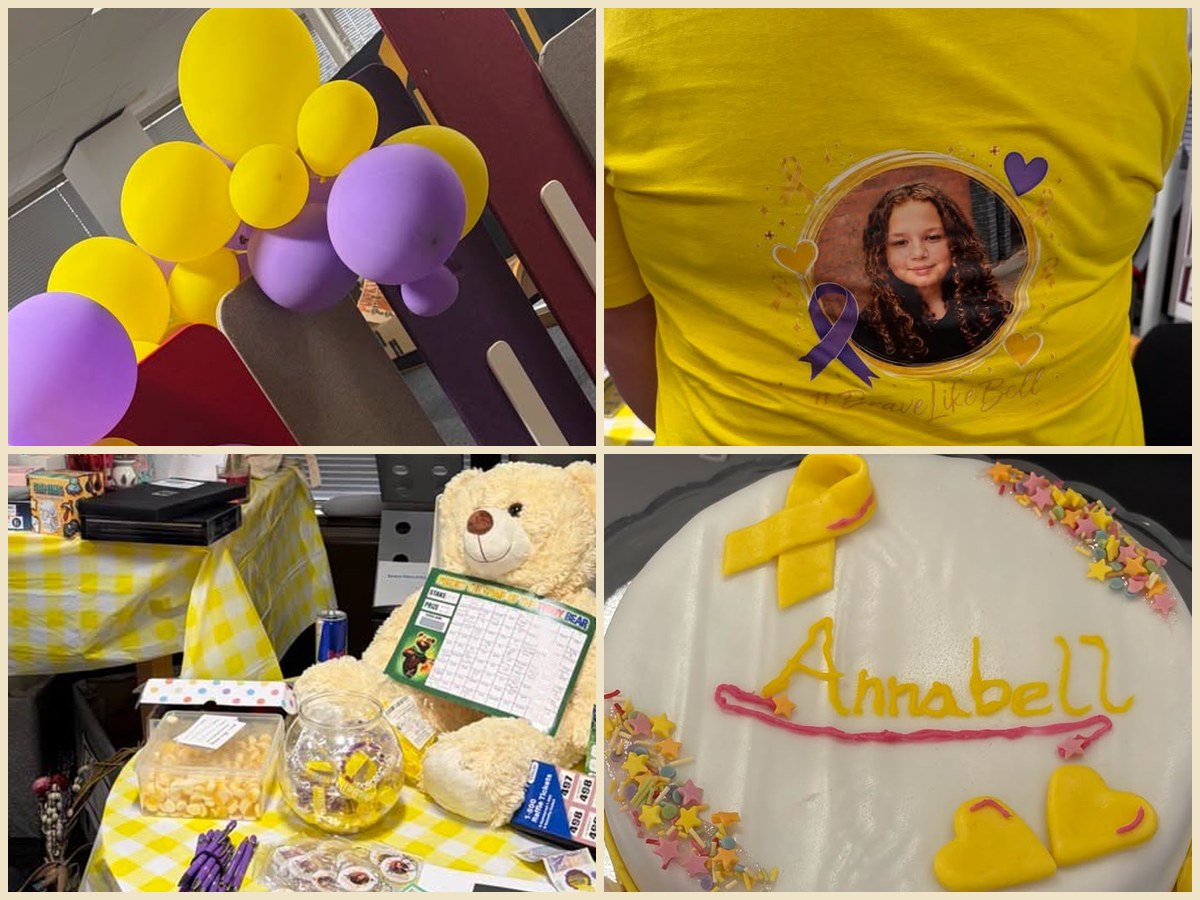
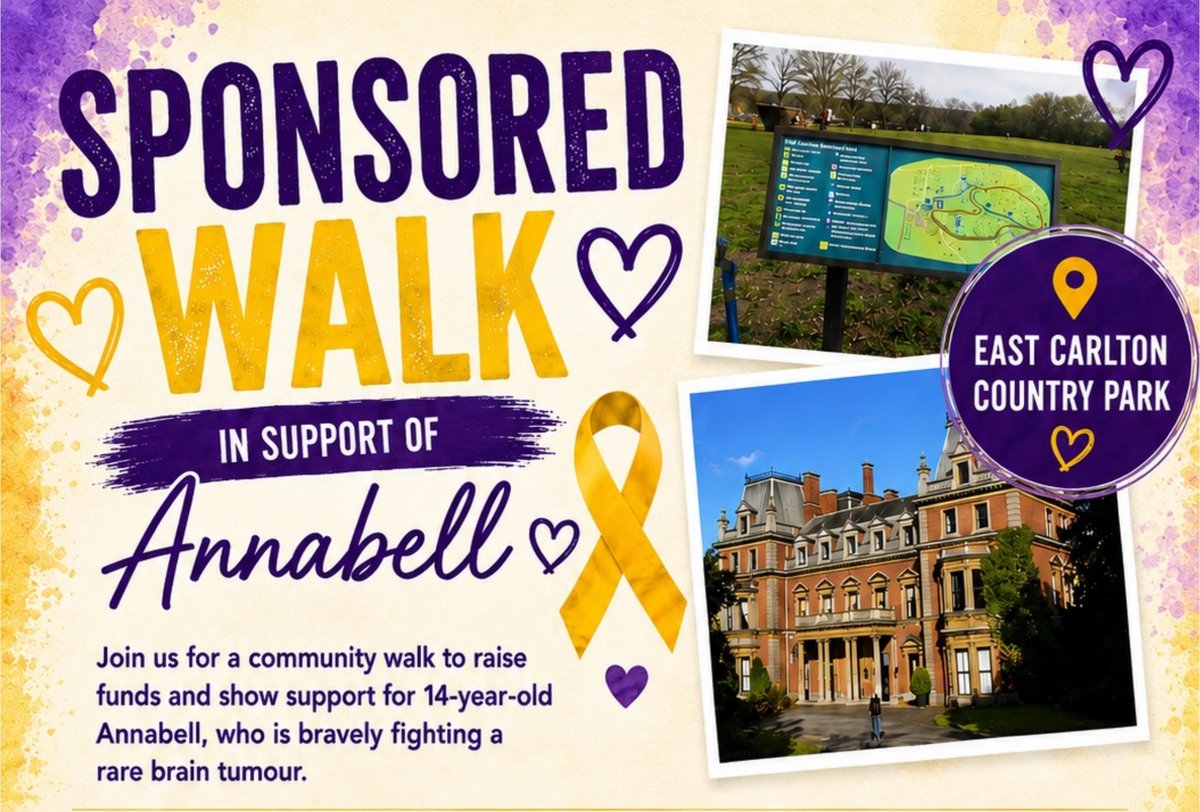
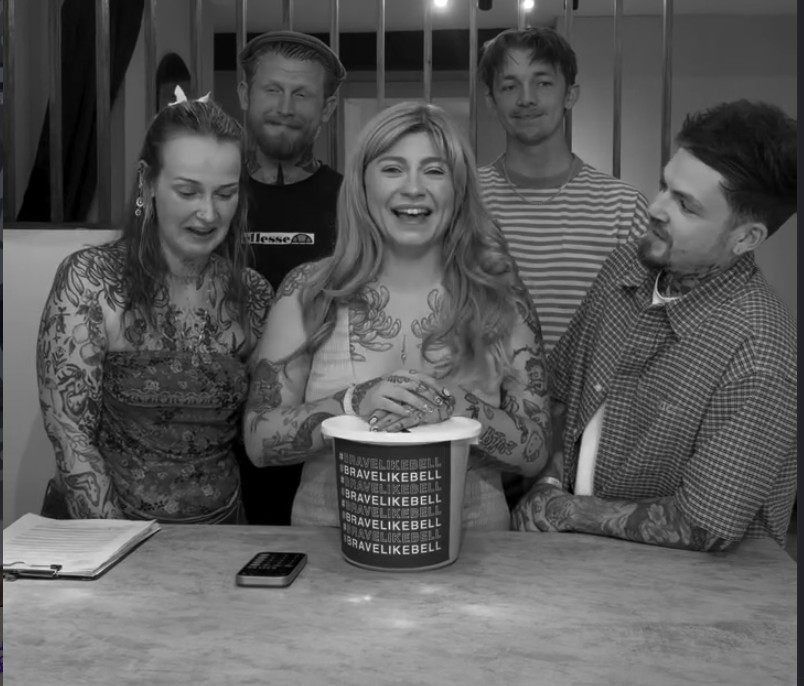
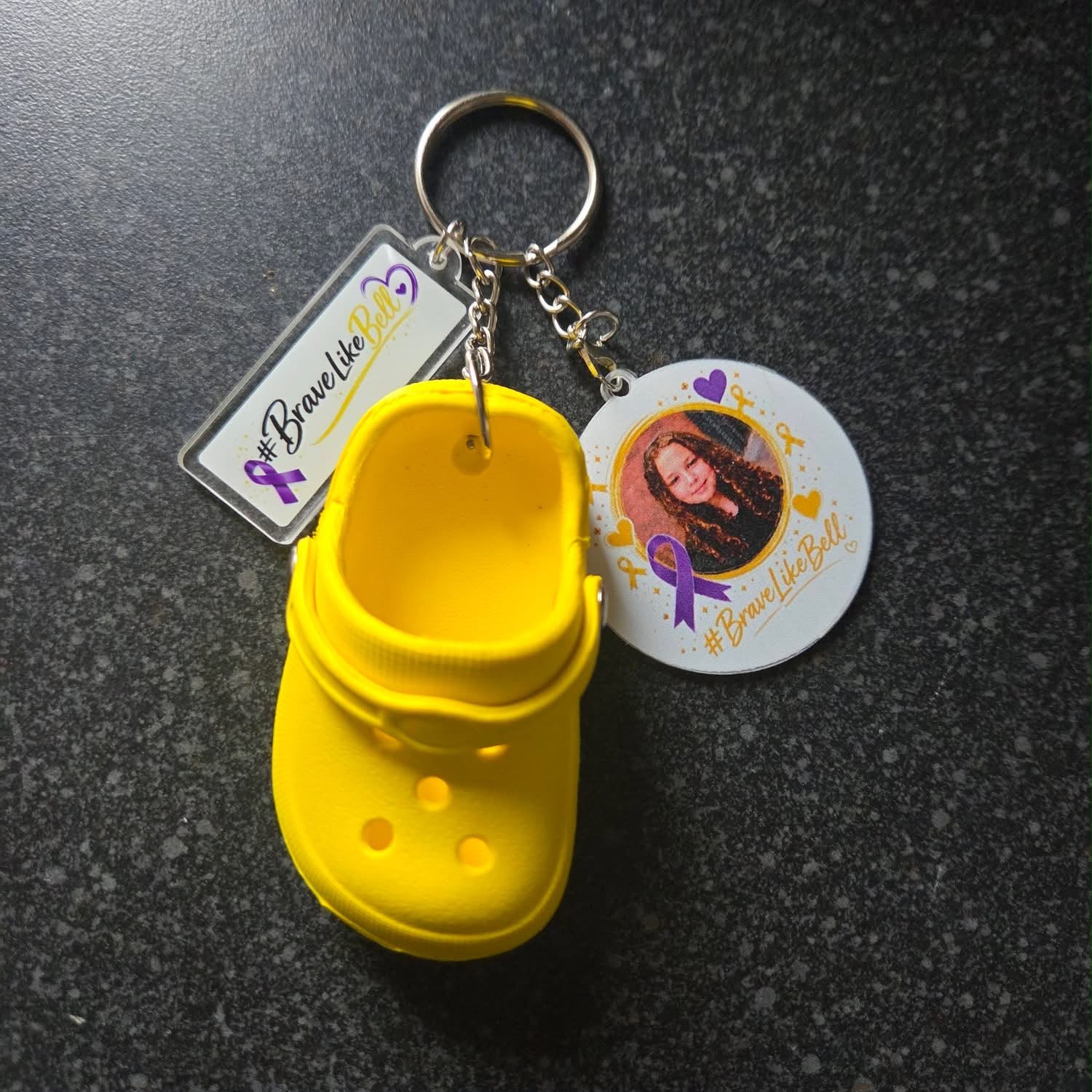
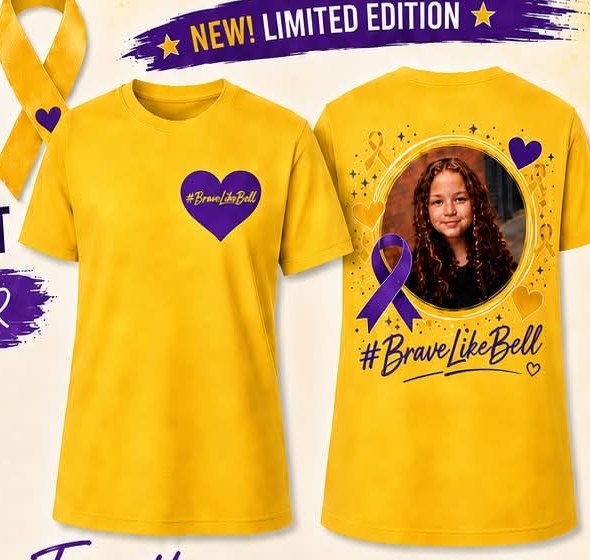
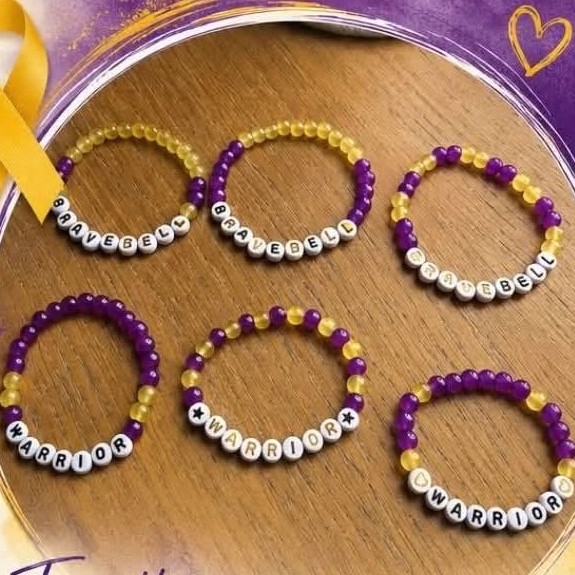
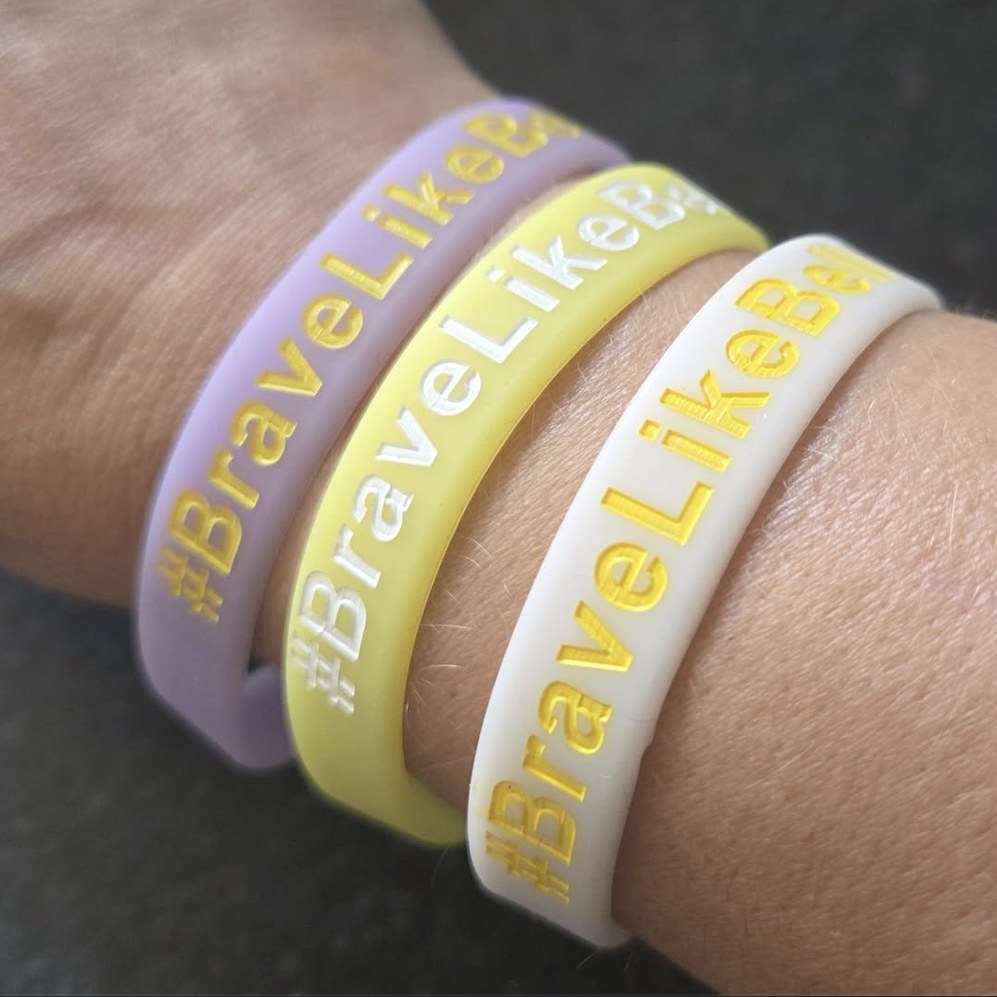
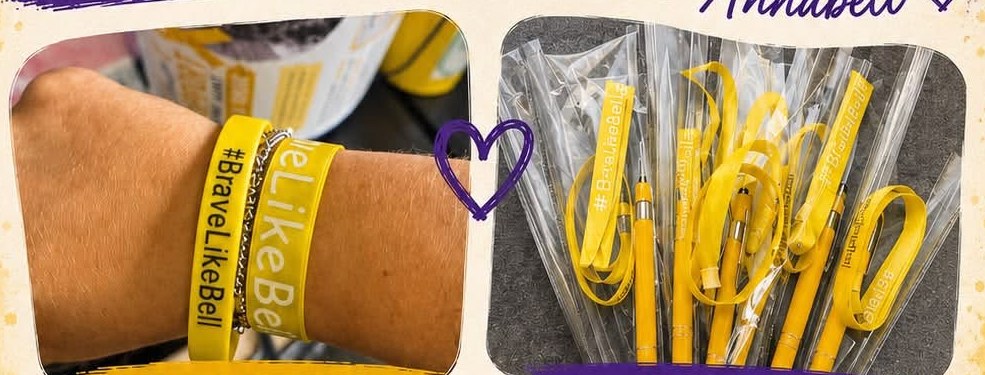
Around Annabell, the #BraveLikeBell community has grown, with bracelets, fundraising, cake stalls, posters and JustGiving support from people following her journey.
-
Day 56 in hospital
Annabell has now been in hospital for 56 days. During this time she has had operations, procedures, scans and medications, along with setbacks and recoveries. She has completed 8 radiotherapy sessions and 10 days of chemotherapy at UCLH, and continues her treatment there.
-
UK CAR-T trials not suitable
Annabell's family looked into two UK CAR-T trials, CARMIGO and GLIMPS. After discussions with her neuro-oncology team, both were found not to be suitable for Annabell because of the anatomical location of her tumour.
-
ACTION trial identified as a possible next step
The family identified another UK option, the ACTION Phase III trial, which involves a drug called dordaviprone (ONC201). This could potentially be considered after radiotherapy finishes, although nothing has been confirmed and any decision will be made together with Annabell's neuro-oncology team.
-
Contact established with Bambino Gesù Children's Hospital, Rome
The family has been in direct contact with the neuro-oncology team at Bambino Gesù Children's Hospital in Rome about their GD2 CAR-T cell therapy trial. The team has confirmed that Annabell's diagnosis and tumour location could potentially fit the relevant arm of their study, subject to other eligibility requirements being met at the appropriate time. They are now willing to review her medical records, scans, and pathology and molecular information in advance. They have also confirmed that receiving dordaviprone through ACTION first would not automatically rule out later consideration for their CAR-T trial.
-
Contact with Professor Frank Gansauge in Germany
The family has been in direct communication with Professor Frank Gansauge in Germany about experimental dendritic-cell vaccine therapy. He has reviewed information about Annabell and advised that, if the family chose to pursue this route, his preferred timing would be approximately one to two weeks after radiotherapy finishes.
-
Urgent transfer to Great Ormond Street Hospital
Annabell had been due to go home for the weekend after a long stay in hospital. Instead, she became increasingly agitated and unsettled, with very little sleep and changes in her behaviour. Further investigations at UCLH showed that the ventricles in her brain had enlarged further, and there were concerns that her VP shunt was no longer working as it should. She was urgently transferred from UCLH to Great Ormond Street Hospital on Friday evening, where the specialist neurosurgical team confirmed there was a problem with the shunt.
-
Emergency surgery to correct the shunt
Annabell had emergency surgery at Great Ormond Street Hospital to correct the problem with her shunt. The surgery has been carried out, and the family is now waiting to find out when she can be transferred back to UCLH. Her body will need time to recover from the operation, and her medical teams at Great Ormond Street and UCLH are working out what impact this will have on the timing of her ongoing radiotherapy and chemotherapy.
-
Radiotherapy plan reviewed
Annabell's family had initially been told radiotherapy would need to pause for a week. After discussions between the teams, there is now a possibility it could restart sooner, depending on how her surgical wound is healing.
-
Chemotherapy paused
Annabell's chemotherapy will remain paused for around a week, as the drug can interfere with wound healing while her teams focus on her recovery from surgery.
-
Back at UCLH
Annabell returned to UCLH following her stay at Great Ormond Street Hospital.
-
28 August 2026
Treatment restarts after the shunt revision
Annabell's treatment was interrupted by the urgent shunt revision on 22 August. She missed radiotherapy on Monday 24 August, and her chemotherapy was stopped from 22 August before restarting on 28 August.
-
Just over halfway through radiotherapy
Annabell has now completed 17 radiotherapy sessions and 18 days of temozolomide chemotherapy, 71 days on from the day this began.
She still has very little use of her right arm and weakness in her right leg, and her speech remains limited compared with her usual self. She understands much of what is said to her and communicates in her own ways, with nods, expressions and occasional words and phrases. She is also very tired, which her family have been told can build as radiotherapy goes on.
There are positives too. She is getting herself up, doing lots of walking, eating and drinking, and her eye and vision have improved considerably from where they started.
-
Still Bell
Annabell has always loved her art, and drawing and creating have always been part of who she is. That is part of why the loss of use in her right hand is so hard to watch. It is not simply right-sided weakness written on a piece of paper, it affects something she genuinely loves doing.
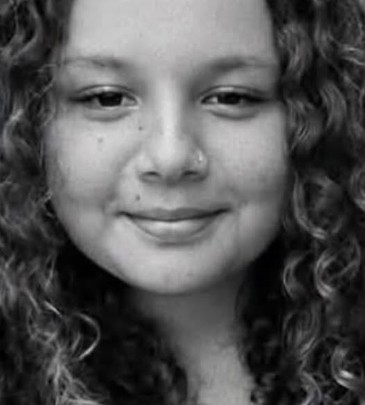
Underneath all of it, she is still herself. She still has the side-eye that says more than a whole conversation could. She still laughs. And getting her out of bed in the morning still takes some doing.
The tumour has changed some of what Annabell can do. It has not changed who she is.
-
Home for the weekend
After weeks of hospitals, operations, scans and treatment rooms, Annabell went home for the weekend. There is more radiotherapy still ahead, and every session completed is another one behind her.
-
First results from the detailed genetic testing
Annabell's parents had a telephone meeting with her neuro-oncologist, Dr Shaun Wilson, to go through the first results from whole genome sequencing of her tumour.
Within the tumour, the expected H3 K27M alteration was confirmed, along with the ATRX alteration already known about, and alterations involving two further genes, PIK3R1 and PTPN11, have now been identified.
Dr Wilson explained that those two findings may potentially offer targets for particular drugs or precision-treatment trials. He was careful to say this does not mean a treatment has been found.
-
Looking into what the new findings might open up
The results are very new, and Dr Wilson is speaking with colleagues and looking into whether any suitable trials, drugs or studies could match Annabell's particular alterations. He has been looking at trials internationally and has made contact regarding the ACTION/ONC201 study, and will send the exact genetic information in writing once he has pulled it together.
The CAR-T trial in Rome remains a separate possibility and has not been ruled out by these results. Rome will want to review Annabell again after radiotherapy and her post-treatment MRI, and eligibility will depend on the trial criteria.
Nothing is definite yet. The next milestone is completing radiotherapy, followed by an MRI six weeks afterwards.